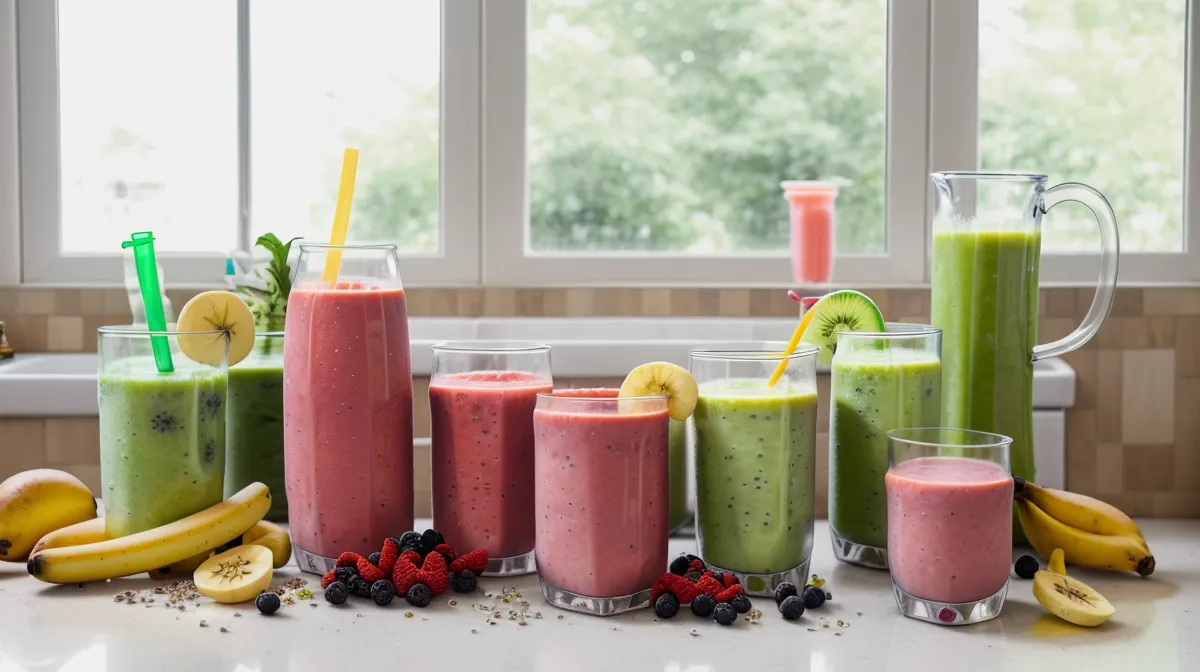
Willpower had nothing to do with it. My gut did. For most of a year after my second kid, I told myself the reason my postpartum weight loss stalled was that I lacked discipline, that I was just another busy mom who couldn't stick to anything past the school drop-off line. It took me embarrassingly long to figure out the actual problem wasn't my willpower. It was everything happening in my gut.
Quick heads-up before we go further: I'm not a doctor, a dietitian, or anyone with letters after my name. I'm a mom who spent way too many nights Googling "why am I still bloated" instead of sleeping. Please check with your own doctor before you change your diet or start any new supplement — I mean that.
Here is the thing: I used to think the bloat and the exhaustion and the stalled scale were three separate problems. They were not. They were all the same problem, and it lived in my gut, not on my calendar.
The Willpower Myth I Believed for a Year
Every afternoon, right around preschool pickup, my stomach would go hard and round, like I'd swallowed a brick. It didn't matter what I'd eaten that day — a salad, nothing, half a sandwich standing at the counter. The bloat showed up anyway, and so did the sugar craving that came with it. I used to think that if I could just white-knuckle through the craving, I'd eventually shrink back into the jeans I wore before I had kids.
Okay so that theory fell apart around January, when I started reading about gut bacteria instead of willpower blogs. I was skeptical going in — I'd rolled my eyes at "gut health" content for years, assumed it was wellness-influencer noise for people with time to make bone broth. But the more I read, the more it made sense: there's a whole ecosystem of bacteria in there quietly influencing how you digest, how hungry you feel, and how wiped out you are by the afternoon. If that ecosystem is out of balance, walking laps around the block doesn't touch it.
Why My "Healthy" Salads Were Making Me Bloated
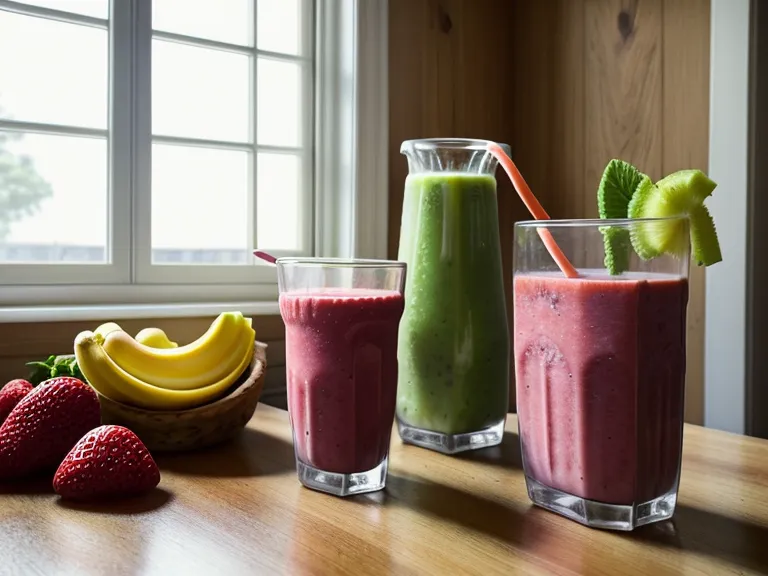
Here is where I say something that goes against every wellness account on Instagram: I had to stop eating so much raw, fibrous produce. When I first went after this, I went hard on raw kale and giant bowls of uncooked broccoli, feeling very proud of myself. Instead I felt like a balloon that was one bite from popping. My postpartum system just could not handle that much raw fiber at once.
So I cooked everything. Roasted the greens, steamed the carrots, let heat do some of the work before it hit my stomach — and the afternoon brick eased up within days. I still aim for the recommended daily fiber intake of about 25 grams, I just stopped assuming raw automatically meant better. Salty pre-made "diet" meals were their own trap too — they left me puffier the next morning, which I now know has more to do with sodium and water retention than the calorie count on the label, and the low-grade inflammation from all that processed stuff was doing more to wreck my energy than my actual sleep schedule was. More than once I also mistook plain thirst for hunger and reached for a snack when a glass of water would have done the job.
Feeding the Gut Without a Full Overhaul
By spring I realized avoiding the bad stuff wasn't enough — I had to actively feed the good bacteria. That's where LeanBiome and strategic meal prep came into it. Nobody tells you pregnancy resets your metabolism along with everything else, and mine needed more than a salad to recover.
I started taking LeanBiome because it's built around probiotic strains studied specifically for gut and weight support, and it fit into my actual morning — the one where I'm yelling "WHERE ARE YOUR SHOES" at a three-year-old — a lot better than fermenting my own cabbage would have. I'm not going to pretend I understand the biology well enough to explain it properly here; that's a deeper rabbit hole than I'm qualified to walk you down. This wasn't about eliminating whole food groups, either — cutting the handful of things clearly working against me was a completely different project than restricting everything across the board. What I noticed was simpler: the chocolate cravings that used to hit like clockwork started showing up less often. Not gone. Dipped.
My neighbor Bridget texts me a meme practically every time a new supplement goes viral on her feed, and she sent me three the week I mentioned trying this one. Fair, honestly — I'd have done the same to her.
What Changed at ALDI on 75th Street
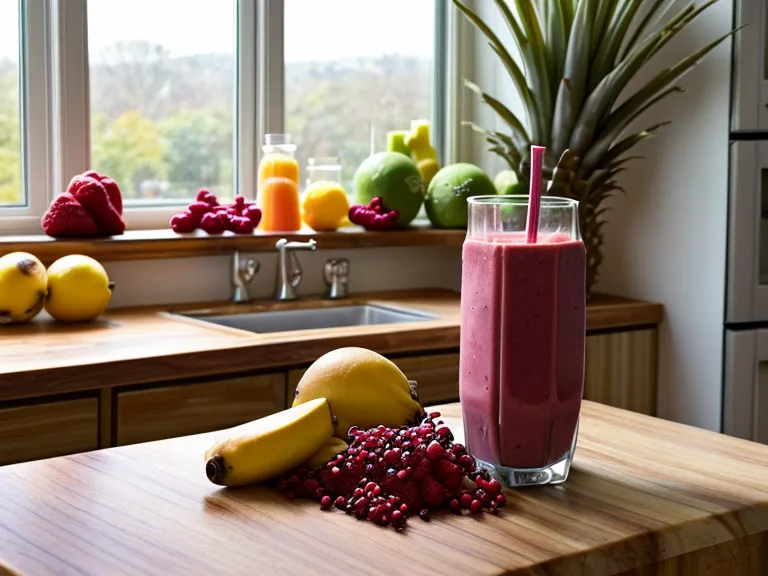
None of this works without a grocery strategy that survives an actual week with kids. I used to keep a whole Jewel-Osco grocery list — that post still mostly holds up, even though these days my Sunday stock-up happens at ALDI on 75th Street instead. Same idea: I load the cart with prebiotic staples like leeks, onions, and asparagus, but I always cook them down instead of tossing them in raw.
Sundays I roast a big tray of root vegetables — maybe twenty minutes of chopping, then the oven does the rest. Having a big batch of cooked vegetables ready means I'm reaching for a bowl of something filling instead of a bag of chips during the afternoon meltdown, and eating a bigger volume of low-effort food seems to keep me satisfied longer than a small "diet" portion ever did. It stays good in the fridge for a few days before I freeze what's left, and I've learned the hard way that some of it holds up in the freezer a lot longer than I expect and some of it really doesn't.
I also started using CitrusBurn a few months back to help with the sluggish, stuck-in-park feeling that had settled in since my youngest was born. I wrote the full story on why I use CitrusBurn for weight loss after months of the scale not budging, and combining that with the gut-focused changes is what finally got things moving.
Five Weeks In: What Actually Changed
Around week five, I was standing in a Target dressing room at 3 PM, half in and out of a shirt, and for once I didn't look away from the mirror before I finished buttoning it. That's it. That's the whole moment. No fireworks. I just didn't flinch.
Let's be honest about what didn't work, too. Early on I ordered a set of portion-control plates off Amazon, the kind with sections marked out for protein and veggies, convinced they'd fix my eating. They sat in the cabinet after about a week, mostly because measuring out sections felt like one more chore on a day already full of them. What actually helped wasn't a tool — it was fixing what was going on internally so I wasn't white-knuckling every meal in the first place. Stress eating stopped being the reflex it used to be once the afternoon crash stopped happening in the first place.
My Honest Advice for Other Tired Moms
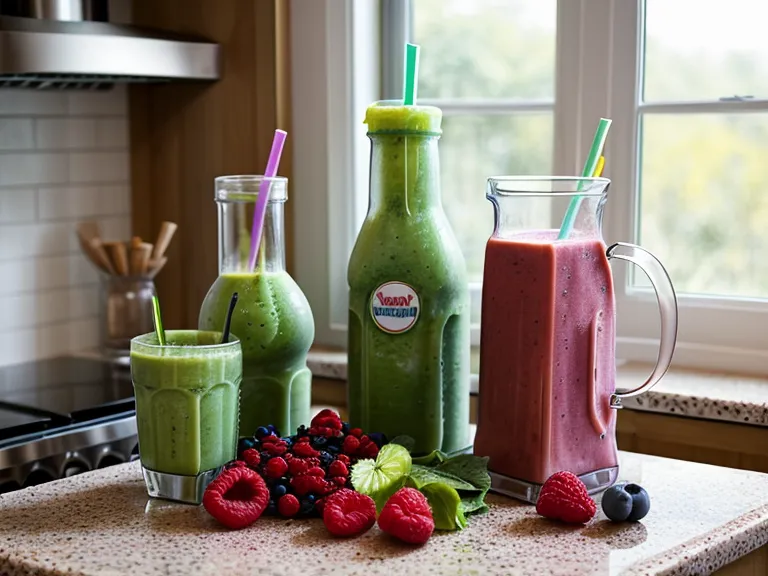
If you're stuck, skip the crash diet. Cook your vegetables instead of eating them raw. Try a probiotic like LeanBiome for a few weeks and pay attention to whether that afternoon brick starts to ease. Add more protein to meals where you can — it holds off hunger longer than most of the "diet" food I used to buy.
Here's the one thing I'd tell any mom starting where I started: the fix usually isn't more restriction, it's figuring out what your body is actually asking for underneath the craving. We spend all day managing everyone else's needs — snacks, lost shoes, whether the five-year-old ate any vegetables at all — and it's easy to treat our own bodies like they'll just sort themselves out. Mine didn't, until I started paying attention. Now if you'll excuse me, the dryer just buzzed, and there's a stray piece of chocolate in the laundry room with my name on it.