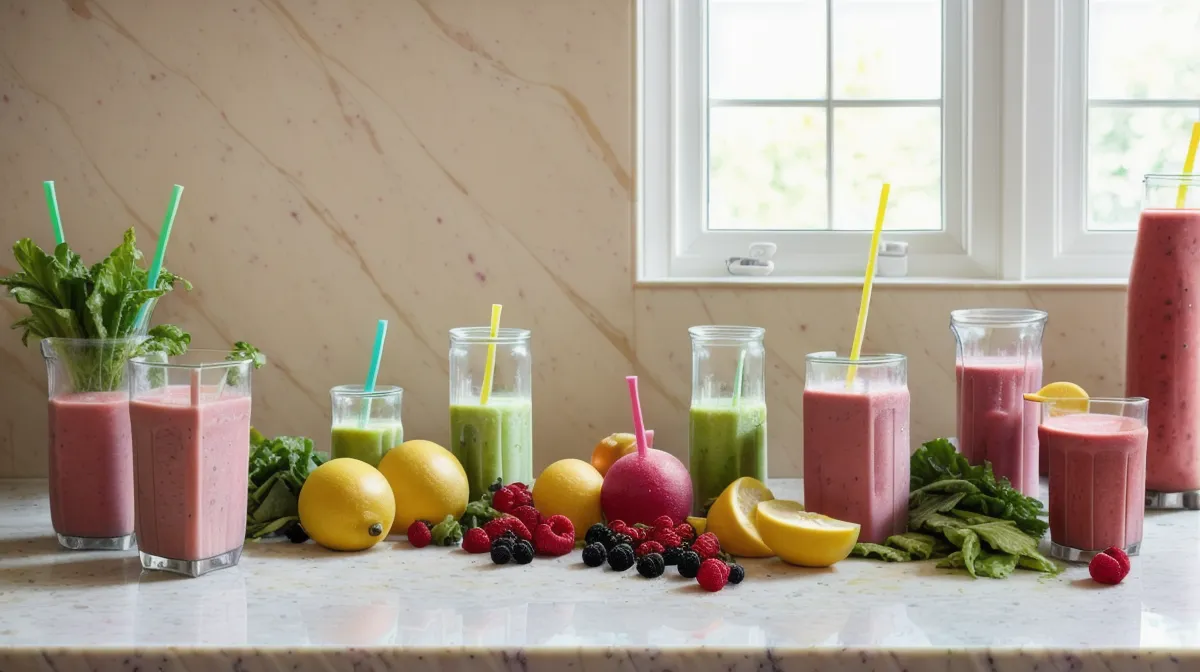
Look, cutting calories and cutting gluten are not the same move, even though most postpartum advice treats them like interchangeable versions of "eating better." One nearly wrecked my milk supply. The other is why I still have energy left by dinner, and why I built a gluten-free meal-prep system instead of just eating less, like every generic plan tells a suburban mom to do.
Quick disclosure: some links below are affiliate links, and if you buy through them I earn a small commission at no cost to you. I only mention things I've actually used to survive my own postpartum chaos — full details are on my disclosure page.
Cutting Calories Never Fixed the Exhaustion — Removing Gluten Did
Here is the thing about parenting a toddler while your body is still making milk for a baby who isn't really a baby anymore: "eat less" is close to the worst advice you can follow. I tried it anyway, because it's what every generic nursing-and-lose-weight plan says, and it was a DISASTER.
So I tried intermittent fasting next. On paper it sounded manageable: just push breakfast back a while. It did not survive contact with a three-year-old standing at the counter at 6 AM demanding pancakes, because I'm the only one making them, and "not yet, buddy" is not a sentence a preschooler accepts.
None of it touched the exhaustion. I remember my five-year-old climbing onto the stool by the butcher-block island one afternoon, watching me chop, and telling me I finally seemed like "the mom from before." I kept the knife moving until she wandered off toward her toys, then stood there and cried next to a coffee ring some forgotten mug had burned into the corner of that counter months earlier.

What Elimination Actually Means Versus Restriction
Restriction is subtraction across the board — fewer calories, smaller portions, less of everything, regardless of what your body actually needs to make milk or keep up with a five-year-old. Elimination is different. It isn't eating less. It's removing one specific thing and watching what happens to a system that's still getting fed the same amount everywhere else. Going gluten-free was never about restricting my food; it was about testing one variable while the volume on my plate stayed exactly where it was: protein, starch, vegetables, still all there, just without the wheat.
That distinction sounds academic until you're testing it on four hours of broken sleep. Restriction left me shaking and reaching for whatever sugar was closest. Elimination let me keep the same amount of food on the plate — I just changed what filled it. I didn't fully understand why restriction backfires on a body that's still nursing until I read Why I Stopped Hating My Postpartum Body and Started Fueling It, which gets into what calorie-cutting actually does to a postpartum metabolism. In the moment, all I knew was less energy and shakier hands.
Elimination done badly still failed me at first, for what it's worth. I spent real money on "gluten-free" frozen pizza that tasted like a seasoned shingle and left me crashing an hour later, plus a batch of roasted chickpeas that stunk up the kitchen for days. A gluten-free label doesn't automatically mean the junk is gone; you can eliminate the trigger and still be running on processed garbage.
Building a Meal Prep System Around One Variable, Not Ten
Okay so, here's the one rule my Sunday prep actually runs on now: change as little as possible so I can tell what's working. I also folded a supplement called CitrusBurn into the routine around the same time, mostly because my afternoon crash was still showing up even after the plate itself was fixed. My friend from our moms' group, Renata Kobus, is deeply suspicious of anything that comes in a capsule or a pouch, and she gives me a look every time it comes up — I get it, and I added it alongside the food changes, not instead of them.
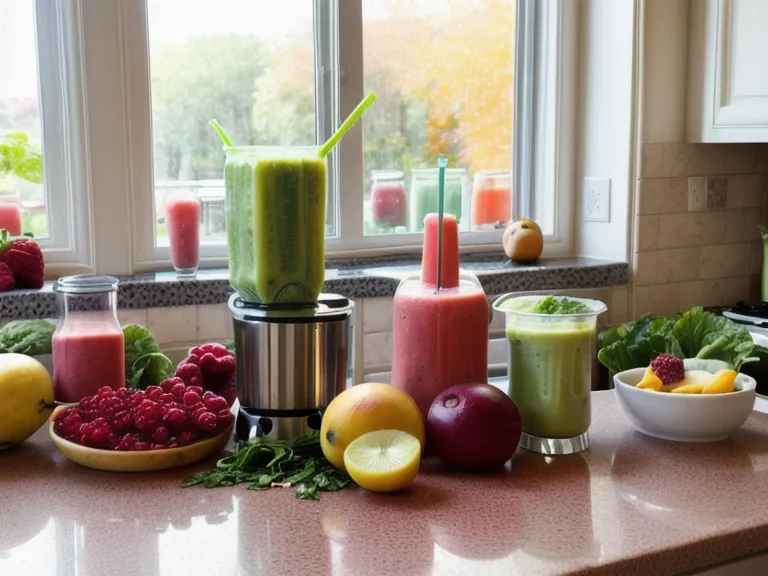
Most of the actual prep is boring on purpose. I bake a big batch of chicken breast and a big batch of ground beef at the same time, because batch-cooking one protein and rationing it out all week is the only part of meal prep that's ever stuck for me, everything fancier falls apart by Wednesday. I wash and chop every vegetable I own in one sitting, because if it isn't ready to eat, it isn't getting eaten. My three-year-old will demolish his sister's leftover crusts before he touches a raw carrot I haven't already cut into "the right shape." And I stopped buying gluten-free anything that comes in a box with forty ingredients I can't pronounce — sweet potatoes, quinoa, and a stupid amount of greens make up most of what's in the fridge by Monday.
Post a photo of that haul in my batch-cooking Facebook group and Monica Ybarra will comment within the hour — she never misses a post that mentions Aldi or Costco, even though most of what I buy now comes from one trip to Mariano's in Elmhurst instead of bouncing between three different stores hoping one of them has what I actually need.
Why the Energy Came Back Before the Scale Did
The shaking stopped before anything on a scale changed, which is not the order any of the ads promise. My hands stayed steady through most of the day instead of just the mornings, and my five-year-old — a solid 40 pounds of pure motion these days — stopped outlasting me at the park by mid-afternoon.
A lot of that came down to keeping the kids fed without doubling my own workload, which is most of what I picked up from My Sunday Meal Prep Routine for Picky Eaters and Tired Moms (2026 Update) — the parts about batching aren't just for my food, they're for keeping everyone's dinner solved before the three-year-old melts down because his socks feel "too loud."
What actually moved the needle was boring: protein first, produce prepped, one ingredient removed and tracked instead of everything cut at once. Nobody puts that on a supplement label because it doesn't sell anything.
So Which Approach Wins — Restriction or Elimination?
Restriction might be the right call if a doctor has told you to change your calorie intake for a specific medical reason — that's a conversation for a real professional, not a blog post. But if you're just tired, bloated, and stuck eating whatever's fastest between drop-off and pickup, elimination is the more useful experiment. Pick one thing, take it out, keep everything else on the plate the same, and pay attention to what actually changes. Gluten was my one thing. It won't be everyone's.
The meal-prep system is what did the actual work here.
CitrusBurn was a small addition on top of a plate that had already changed — not a replacement for it, and not something I'd expect to do much on its own.
If you're just starting, skip the gluten-free pizza that tastes like a seasoned shingle and head straight for the produce aisle instead. Prep one protein, cut one thing out, and see how you actually feel before deciding it isn't working. If you want to see what I've been using alongside my own prep, you can check out CitrusBurn here. And please, talk to an actual doctor before making any big changes to your diet, especially while nursing — I say that as someone whose only credential is a suburban kitchen, a chocolate stash hidden behind the laundry detergent, and two kids who won't let me finish a sentence.