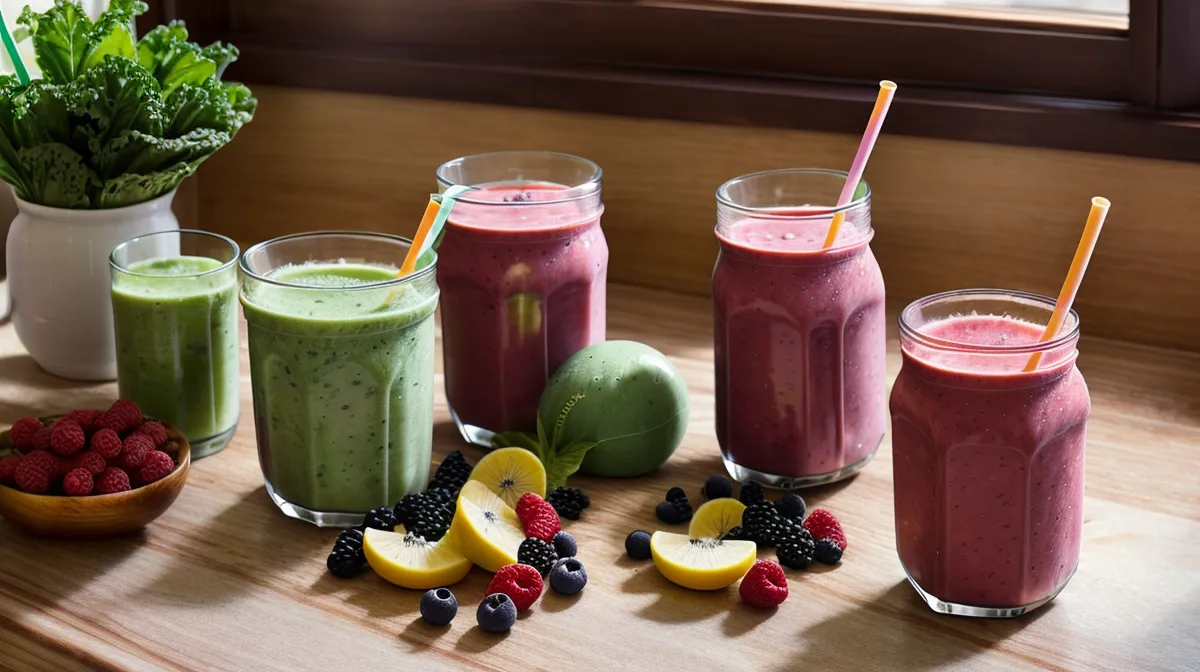
I'm elbow-deep in a bowl of egg salad, three cracked shells still sitting on the counter, when my phone buzzes with a text from Renata: is it the oats, or is it you? She's the friend from my moms' group who always asks the question I've been avoiding, and this one landed hard, because I'd spent the whole week testing two completely different postpartum meal-prep approaches for keeping my energy up while breastfeeding — one built around fiber, one built around protein and fat — and I genuinely couldn't tell which one was actually working.
Breastfeeding burns through energy at a rate nobody really warns you about. The CDC and a stack of other health groups have written plenty about exactly how much nursing demands from your body, though the full breakdown of what happens to your metabolism after having a baby is really its own topic — I've gone deep on that separately. For me, the practical question was simpler: which foods kept me upright at 3pm, and which ones just felt virtuous going down before I crashed an hour later.
Before I even got to comparing fiber and protein, I burned about a week trying intermittent fasting, which is a joke when there's a three-year-old demanding pancakes before six in the morning and a newborn who does not care what your eating window says. That one died fast. So the real experiment became about what to actually eat during the hours I was eating, not when.
Fiber-Forward vs. Protein-Forward: Two Meal Prep Paths to Postpartum Energy
Okay so, camp one is what most lactation advice tells you to do: oats, flax, lactation cookies, all that fiber marketed as a milk-supply booster. Camp two is leaner on fiber and heavier on protein and fat — eggs, nut butter, deli meat, the kind of food you can eat one-handed while a toddler uses your leg as a jungle gym. Neither camp is wrong exactly. They solve different problems, and for months I'd been treating them like they were interchangeable.
The Oats-and-Flax Route Nobody Warned Me About
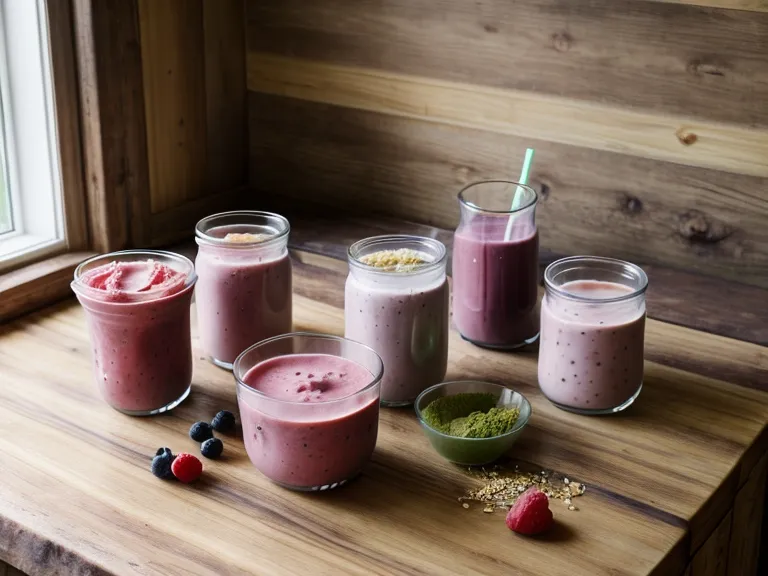
Oats and flax showed up in every lactation cookie recipe I found, so camp one is where I started. The fiber theory made sense on paper: more bulk, more supply, more of everything I was told I needed. What actually happened was gas, for both me and the baby, and about a month of both of us feeling bloated before I connected the dots. Sugar cravings crept in around the same time, and untangling those turned into its own whole fight I've written about elsewhere, and there's a gut-health angle to the bloating itself that belongs somewhere else entirely too.
Here's the thing about cutting out a whole food group instead of just easing back on it: it's a bigger decision than it sounds. I went at that more directly with gluten in a completely different experiment, and the trade-offs there are not the same as just dialing back oats for a few weeks. Once I scaled the fiber down and leaned on easy-to-digest fats instead, my baby stopped screaming quite as much, and I stopped feeling like a human balloon.
Switching to Protein and Fat Changed the Afternoon Crash
Camp two worked differently. Once I leaned into hard-boiled eggs, cucumber-and-turkey roll-ups, and little frozen coconut-oil-and-almond-butter bites hidden behind the frozen peas so the kids wouldn't find them, the 3pm crash mostly disappeared, not faded, GONE. Protein keeps hunger at bay longer than carbs do; the actual reason why is worth unpacking properly, and I've done that math in a different piece. The short version from my own kitchen is that two eggs and a handful of almonds bought me a solid two extra hours before I felt like I might fall over.
Some of it wasn't really about protein at all. Some days the trick was just eating a big enough plate of low-effort food to feel actually done, instead of picking at something small five times an hour, a different strategy from protein specifically, one I've mapped out in more detail in another post.
Hydration turned out to be its own tangle. The oxytocin released during nursing gets some of the credit for the intense, out-of-nowhere thirst, though how much of that is hormones versus just forgetting to drink anything since breakfast is a longer conversation I've had elsewhere. What I noticed in my own kitchen was that half my afternoon hunger was actually thirst wearing a disguise, and figuring out which one I was feeling mattered more than chasing any specific number. Salt works against you in a similar way: too much of it and I'd feel puffier and more sluggish by evening, a water-retention problem that's really a whole other post on its own.
Sunday Batching and What It Can Do
Both camps needed a delivery system, and that's where Sunday came in. I'd roast a tray of sweet potatoes and a tray of chicken thighs while my husband took the kids out for an hour, then split everything into whatever protein-forward or fiber-forward combination I felt like that week. The actual step-by-step of that batch-cooking routine is long enough that it got its own post, so I'll spare you the play-by-play here.
The same trays of chicken and sweet potatoes have to work for the rest of the family too, not just my lunches, which is basically the premise behind some Healthy Dinner Ideas for Picky Eaters for Easier Family Nights I put together separately. If I have to cook two different dinners every night, it simply doesn't happen in this house.
Getting the kids involved in any of it is its own project. My five-year-old thinks putting eggshells in the trash is a very important job, and I've written a whole separate piece on how I involve my toddlers in healthy meal prep without the stress, for anyone who wants the toddler-survival version of this and not just the food.
What Actually Matters Beyond the Oats vs. Protein Question
A woman named Monica Ybarra, who I know from a batch-cooking Facebook group, has a real gift for turning Tuesday's leftover fridge scraps into something that looks like she planned it all along, more useful, honestly, than picking the perfect camp in the first place ever was. How long any of this actually stays good, in the freezer or just sitting in the fridge, is its own reference-chart-worthy question I've answered separately.
None of it works if you can't find the ingredients on a normal weekday grocery run, which is a bigger topic than it sounds: where I actually shop for all of this each week got long enough that it turned into its own post too. Around the same desperate stretch, I also tried a couple of the powders and gummies marketed straight at postpartum moms promising more energy, and walked away skeptical enough that I gave it a whole separate review instead of a single paragraph here.
There's also an inflammation piece to postpartum fatigue that some of this brushes up against without fully explaining. That's a deeper post on its own, separate from the fiber-versus-protein question I'm actually answering here. None of this accounts for the days stress alone drives the eating, either, when a toddler meltdown at pickup makes a whole sleeve of crackers look like the only reasonable choice, a particular cycle that's its own fight I've covered elsewhere.
Some weeks the plan just doesn't happen. There was one Tuesday I was chopping kale for a salad while a toddler hung off my leggings and the baby screamed in the swing, and I eventually threw the kale out, sat on the floor, and ordered a pizza. We survived. That's not a failure of either camp; it's just Tuesday.
Picking the Approach That Fits Your Week
So which camp should you actually pick? If your gut and your baby's gut both handle fiber fine, and you genuinely like oats and flax, camp one isn't wrong. It just tends to show up slower as usable energy. If you're already dealing with any gas, bloating, or a fussier-than-usual baby, or you just need something you can eat one-handed at 3pm without thinking, camp two is the one that actually moved my energy levels. I ended up mostly in camp two, with an oat-based cookie thrown in on good days, because real life rarely stays in one lane for long.
Last week I carried both kids up the stairs after bath time, still talking the whole way up, not gasping once at the top. The same week I finally kept pace on a walk around Centennial Beach in Naperville instead of trailing behind the stroller like dead weight. Seven years of feeding this family out of my own kitchen, and that's still the only scoreboard that's ever mattered to me: not a number on a scale, just enough gas in the tank to keep up with my own kids.