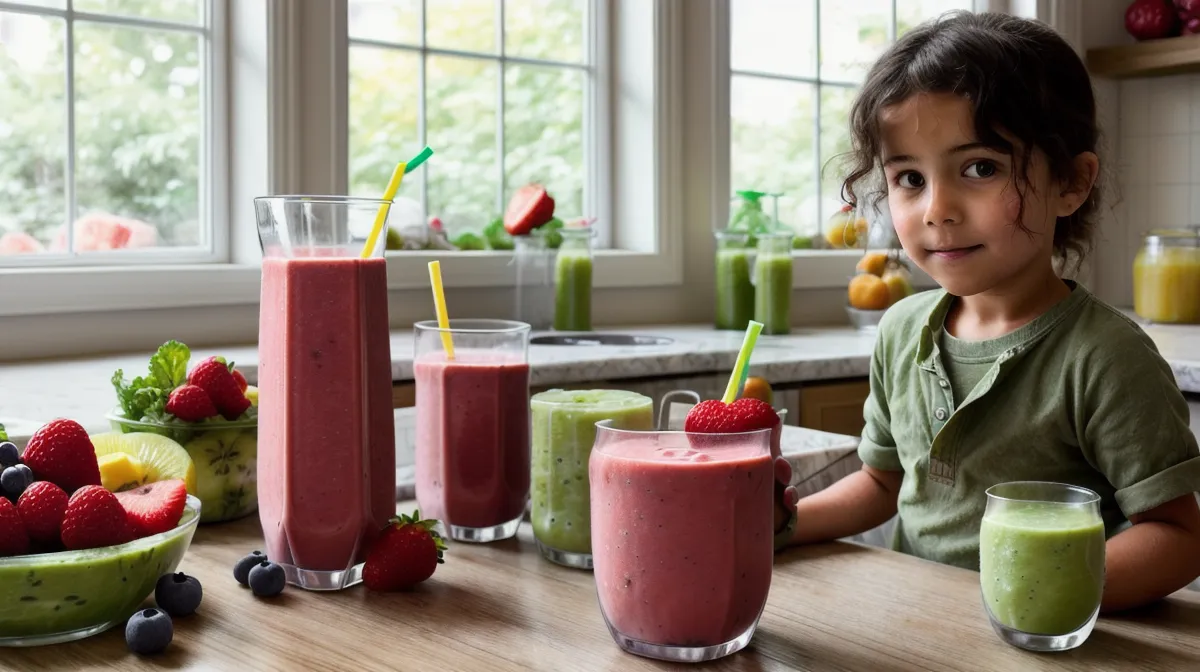
My wedding ring spins loose around my finger now when I twist it under the kitchen faucet. It didn't do that for most of last year.
That's not a diet result — it's a grocery list result. Specifically, five categories of food I fill my cart with every week, built around what my body could actually handle after a second baby, not around counting a single almond or weighing anything on a scale. Whatever shifts in your body postpartum is its own deep subject, and plenty of people cover it better than I can. At the grocery-cart level, what mattered was simpler: warm beat raw, protein beat willpower, and a 100% whole grain label beat anything with a cartoon mascot on the box.
Here is the thing: I didn't start here. I started with a "clean eating" meal plan some app recommended, and half the ingredient list didn't exist on any shelf at my Jewel-Osco. I was driving to three different stores to make one dinner.
That plan didn't survive contact with my actual grocery store.
The Problem With 'Healthy' Raw Salads
For months I ate massive raw kale salads because I thought healthy meant raw and crunchy. Instead I felt like a balloon about to pop. My digestion was a mess, and a heavy, dragging fatigue hit every afternoon, right around the time I needed to be a functioning human for school pickup. Whether that was inflammation, plain exhaustion, or some combination above my pay grade, I genuinely can't tell you — I'm not a doctor. What I can tell you is what I noticed: cooked food settled my gut, and raw never did, no matter how "clean" it was supposed to be.
This wasn't about cutting foods out. It was about swapping which version of the same whole food landed in my cart — cooked instead of raw, warm instead of cold.
Build Your Cart Around Five Categories
Okay so, skip the aisles. Stick to the edges of the store and fill your cart with five things: warm vegetables, simple proteins, 100% whole grains, grab-and-go snacks, and whatever you're going to batch-cook on Sunday. That's the whole system. It became the foundation of finding my way back after baby number two, and it's a lot less complicated than it sounds once you've done it twice.
One shortcut that actually protects a grocery budget: the Dirty Dozen list decides what goes organic. Apples and spinach, yes. Onions and avocados, regular is fine — the Dirty Dozen list from the Environmental Working Group mostly flags produce with thin skins or heavy pesticide residue, so that's where the organic dollars actually go.
The Warm Vegetable Base
Instead of bags of raw salad mix, my cart is full of things I can roast or sauté — sweet potatoes, carrots, zucchini, cauliflower. A full sheet pan of roasted vegetables is a lot of food for not very much sitting on the plate, which is its own rabbit hole of a topic, but it's the reason I never felt like I was eating "less." There is nothing like the smell of roasting sweet potatoes filling the kitchen while I'm folding a mountain of toddler socks on the laundry room floor.
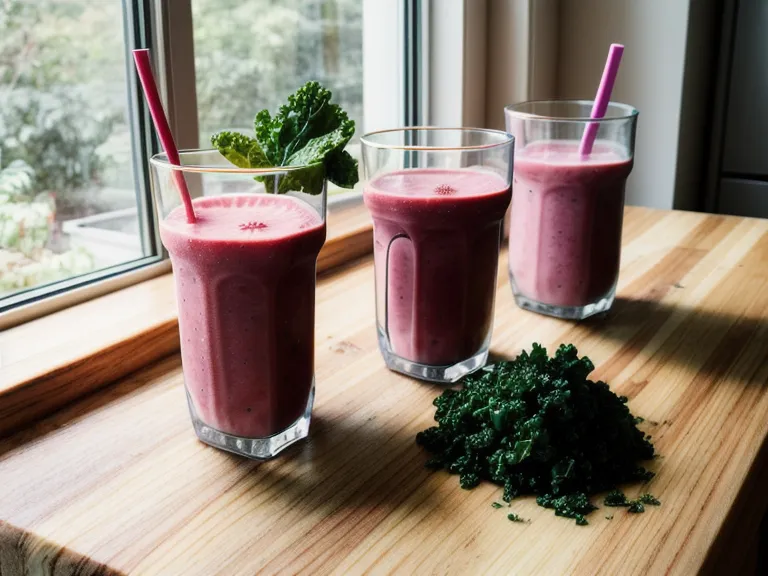
Getting fiber from roasted squash and sautéed greens instead of raw broccoli was the single biggest change in how my gut felt.
NO NUMBER ATTACHED TO THAT ONE. JUST LESS BLOATED, MORE REGULAR, AND NOTICEABLY SO.
Which Proteins Actually Fill You Up?
Rotisserie chicken is a suburban mom's best friend — I'm not ashamed to admit that one's barely cooking. Ground turkey, wild-caught salmon, a carton of eggs that never survives a full week, lentils and chickpeas in the pantry for the nights nobody feels like meat. The whole fill-you-up effect of protein is a bigger topic than I can do justice to here, but the short version from my own kitchen: having one of these on the plate is the reason I wasn't raiding the kids' leftover chicken nuggets at four in the afternoon.
How I Pick Grains Without Triggering a Sugar Crash
Carbs aren't the enemy — a three-year-old who runs everywhere like he's being timed will make sure of that. My rule at the shelf is blunt: it has to say 100% whole grain, first ingredient, no asterisk doing quiet work in the fine print. If it doesn't say 100%, it stays on the shelf. Quinoa, brown rice, old-fashioned oats — steady energy instead of the crash I used to get off white bread.
Water turned out to matter more than expected, too. Carrying a bottle around like it's a third child sounds ridiculous until you realize half of what felt like a chocolate craving by mid-afternoon was actually thirst. That mix-up between hunger and dehydration is its own whole subject — the fix, for me, was dumb simple: keep the bottle where I can see it.
What Lives in the Snack Drawer Now
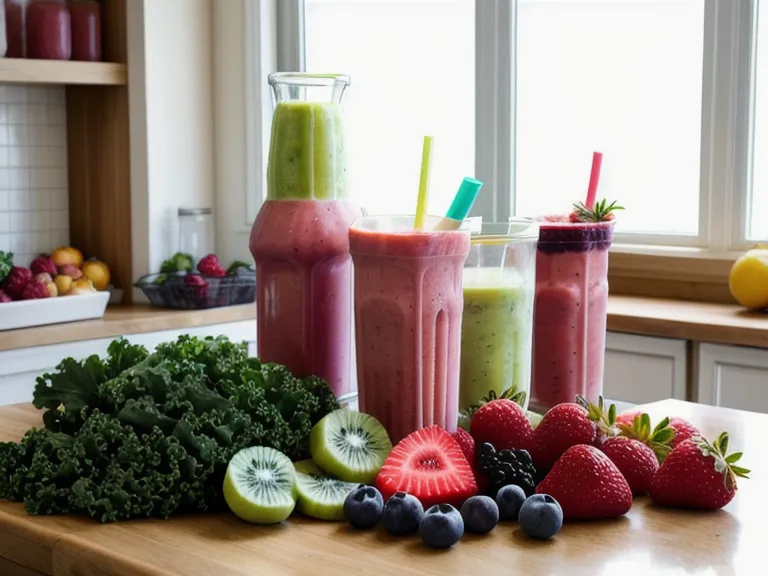
Look, meltdowns happen. Usually right when I'm trying to get a healthy lunch on the table. Raw almonds and walnuts bought in bulk at Costco, apple slices with almond butter, a dozen hard-boiled eggs prepped on Sunday, plain Greek yogurt (the flavored stuff is melted ice cream with extra steps), hummus with sliced cucumber. Grab-and-go, whole food, survives a diaper bag, survives a loop around Blackwell Forest Preserve without turning into a sticky mess.
Having these ready meant the "grazing" on whatever crackers the kids dropped on the floor mostly stopped. Half of that grazing was stress, not actual hunger — a subject for someone more qualified than me — but a stocked drawer made the question irrelevant either way. More on keeping this simple when the kids eat the same thing I do lives in my guide on meal prep for busy moms and toddlers, because one pot of food for everyone is 100% easier than two.
The Sunday Batch System
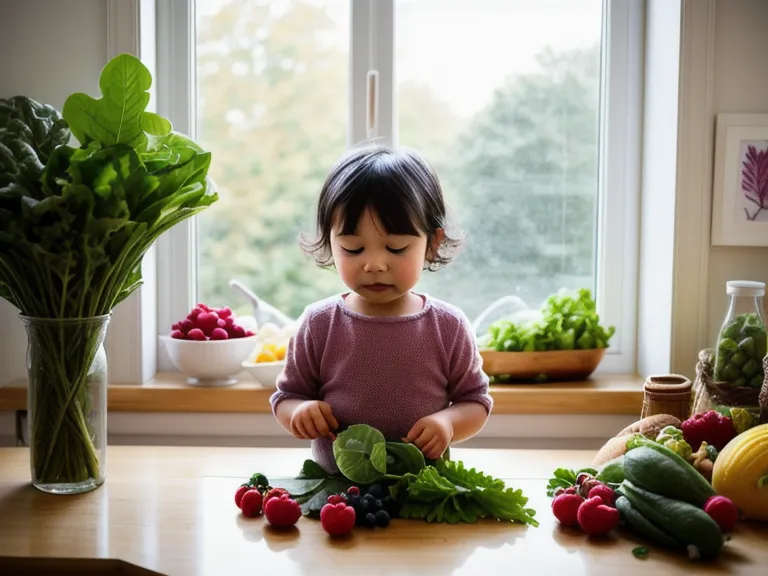
Stocking the fridge with staples is only half of it. Somebody still has to turn them into food, and nobody's handing out five free hours for a "wellness" session. Forty-five minutes, while the kids watch one movie, is the actual budget.
Two sheet pans in the oven, a dozen eggs in a pot, a big batch of quinoa on the back burner — all three are passive cook time, meaning nobody's standing over any of it. That's usually when next week's dinners get filled in on the fridge calendar instead, marker squeaking across the whiteboard, until somebody needs a snack mid-sentence and the list waits. No fancy containers, no color-coded labels. Just food, ready to be reheated.
A friend of mine runs a neighborhood book club that moves to a different basement every month. What keeps it going isn't the location — it's that the second Tuesday is always book club, no matter whose living room it lands in. The Sunday batch runs on the same logic. The forty-five minutes happen regardless of how the week went, and some of what comes out of it freezes well and some doesn't — that's a longer reference conversation on its own, so I just keep a mental note of which is which and move on.
Is This Grocery List Actually Sustainable?
Some weeks, yes, completely. Other weeks the laundry wins and we eat cereal for dinner anyway. The list itself hasn't changed across any season since it was built, which is the actual test of whether something works or whether it just sounded good for a few days.
If only one thing on this list changes, make it the temperature of the vegetables before the size of the portions. Warm and cooked did more for the bloating and the energy than any amount of restriction ever did. The good chocolate still lives behind the detergent in the laundry room — some things don't need fixing. For other things that were tried along the way, including what didn't pan out, my real-life experience with some other tools is a reasonable place to start.