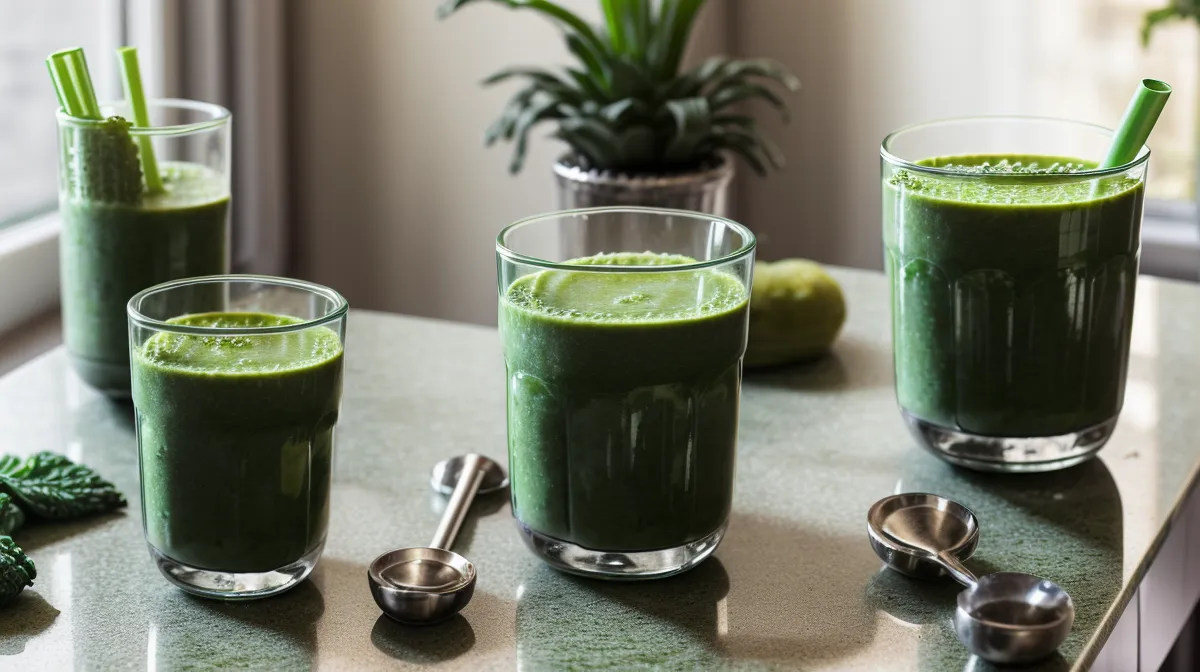
The blender pitcher is already in my hand, banana half-peeled, before I've even glanced at a clock. Getting something into my body before the school run starts is the whole game here — not a sit-down breakfast, not a bar eaten standing at the counter, just a smoothie I can pour into a tumbler and carry out the door. This is the actual formula I use for postpartum weight loss, a smoothie diet built to survive a suburban morning with two kids yelling about socks, not some Pinterest version of mom life.
Quick heads-up before we get into it: this post has affiliate links in it, including a couple for products I actually use. If you click through and buy something, I get a small commission at no extra cost to you. I don't link anything I haven't tried myself.
Mornings start cold here, feet-first — the kitchen floor hasn't warmed up yet when I'm filling water bottles and pulling the blender off the shelf, usually before anyone else in the house is awake.
My Actual Smoothie Diet Formula for Postpartum Weight Loss
Here is the thing about most smoothie advice: it's vague. "Add some protein" doesn't tell you how much, and "throw in greens" doesn't tell you which ones actually blend without tasting like a lawn. So here's the real breakdown, in the order it goes into the pitcher — two cups of unsweetened almond milk or cold water as the base, two tablespoons of ground flax or chia for fiber, one scoop of vanilla pea protein, a big handful of frozen spinach, and half a frozen banana with a shake of cinnamon for flavor.
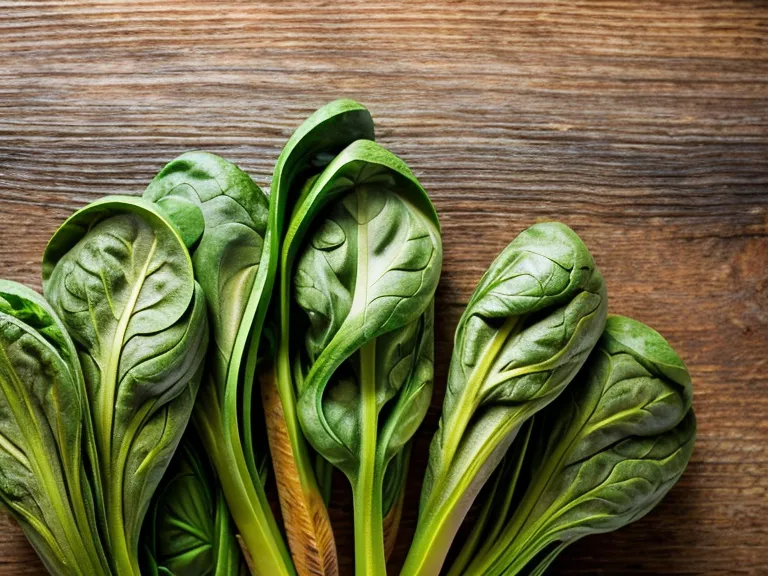
Frozen spinach matters more than people think. It blends smoother than fresh and doesn't leave stringy bits caught in the straw. Protein is the part that actually keeps me full until lunch, not the spinach, no matter what the smoothie influencers imply.
This is less a strict diet and more a meal replacement I lean on most weekday mornings, built to survive a kid asking for help finding a shoe three times before I've finished pouring it into the tumbler.
Why More Calories, Not Fewer, Fixed My Mid-Morning Crash
Okay so — low-calorie green smoothies sound smart until you're standing in a grocery store aisle an hour later with your blood sugar in free fall. I went through a stretch of watery, kale-heavy drinks that barely cleared 150 calories, convinced fewer calories meant faster results. WRONG. Dietary fiber is a big part of why that backfired for me — it's one of the things that keeps blood sugar steadier through the morning instead of letting it spike and crash.
By the time I hit the store mid-morning, I'd be standing at the checkout with a bag of something sugary and zero willpower left to argue with myself about it. Half of what I was calling hunger by then was probably just thirst — I hadn't learned to tell the difference yet.
Postpartum metabolism doesn't reset on a tidy timeline, no matter what a plan promises. Fewer calories is NOT the same thing as better results, not for a body that's still catching up from having a baby.
Batch and Blend: The Meal-Prep Order That Actually Works
Order actually matters here, and nobody mentions that part. Liquid goes in first so the blades have something to grab — dump frozen fruit in dry and you'll just hear the motor whine. Powder goes in next, while the liquid is still at the bottom, so it doesn't clump against the sides. Frozen spinach and banana go in last, pushed down into the liquid instead of piled on top.
A program called The Smoothie Diet is what got me paying attention to structure instead of winging it with whatever was in the freezer — it walks you through balancing protein, fat, and fiber instead of guessing, and it's honestly where this formula came from in the first place.
Nothing here needs to be fresh-cut at 6am, either. Frozen spinach and bananas hold in the freezer for months, which is half of why this survives a school morning at all.
Batching happens on Sundays — dry ingredients portioned into bags instead of measured out fresh every single day. It's the same logic behind my meal prep for busy moms routine, just compressed into five minutes instead of an afternoon.
The whole thing goes into a big insulated tumbler I can hold in one hand at the carpool line, which is honestly the real test of whether a recipe survives a mom's morning or just a photo on a counter.

The Sugar Detox That Only Lasted Four Days
A 21-day sugar detox was supposed to be the fix, back before I'd figured any of this out. It lasted four days. I white-knuckled the first three, caved on day four over something small and stupid, and spent the rest of that week feeling like a failure instead of actually fixing anything.
The detox itself probably wasn't the real problem — the all-or-nothing structure was. Stress is honestly a bigger driver of what I reach for after bedtime than actual hunger is, and a plan that bans everything doesn't do a thing about that part.
I remember standing in a dressing room at Target one afternoon, somewhere around 3pm, and actually looking at the mirror instead of glancing away the way I usually did. That's the moment that told me the all-or-nothing approach wasn't it — not the detox, not a scale number, just that I finally looked instead of looking away.
Should You Add a Supplement? My Honest Take
Should you add a fat-burner or metabolism supplement on top of a smoothie routine? My honest answer is maybe, and only after the basics are already solid. I'm skeptical of anything in a bottle until I've used it myself for weeks, not days.
The real turning point for me was adding CitrusBurn into the routine once the smoothie structure itself was already working. I wrote up the full, unfiltered version in my real-life CitrusBurn review if you want the nitty-gritty, but the short version is that it's the one add-in I haven't quietly stopped using after a month.
If you're building the same formula, the full version looks like this: the almond milk or water base, the flax or chia for fiber, the protein scoop, the frozen spinach, the banana and cinnamon, and then CitrusBurn stirred in at the end as the optional extra — not a replacement for any of the rest.
Buying Smoothie Ingredients Without Blowing the Suburban Grocery Budget
Look — where you actually shop changes what ends up in the blender. Most of my ingredient runs happen at the ALDI on 75th Street in Naperville, because the frozen fruit and the almond milk there make a daily smoothie habit realistic instead of a once-a-month splurge.
I don't weigh or measure any of this with a food scale anymore, and I stopped tracking it in an app a long time ago. I eyeball the ratio now — base, fiber, protein, green, flavor — and it comes out close enough every time.
If your pantry needs a reset before any of this clicks, I've got a healthy whole foods grocery list that covers what I actually keep stocked, and a guide to batch prepping your smoothies so Monday morning doesn't start with you standing over the blender half asleep.
There's no perfect week to start this — there's just whatever morning you're standing in right now, kids yelling about a missing shoe, coffee gone cold on the counter. If you want a place to start beyond the smoothie itself, CitrusBurn is worth a look, and checking the current details on their own site is smarter than trusting a number I printed months ago.